The Seedstrapped
Founder
You’ve got an idea but no proof anyone will pay, and no map for the fundraising. This book fixes both: prove it with paying customers, then take funding on your terms, or not at all.
By Tim Deeson. Built and sold one company. Co-founded another that raised VC. Entrepreneur in Residence at the London School of Economics.
Your first ten customers by name
Read it and you’ll finish with a list of ten real people to contact about your idea.
“Tim does for fundraising what The Lean Startup did for the product.”
 Tendayi Viki · Senior Partner at Strategyzer
- 01Prove it with customers.
- 02Raise from strength.
- 03Stay in control.
You need funding to build it.
You need proof to get funding.
You can’t prove the idea works until you’ve built it. You can’t build it until someone funds it. And nobody funds an idea you can’t prove yet. Not on terms you’d want.
So it comes down to the money, and the only paths anyone talks about are bootstrap alone, or raise venture capital. Either way, you risk committing a year of your life or your savings before you know if it will work. But the proof can come first.
Prove it before you fund it.
Demo and sell before you build: a working demo, then a real test of willingness to pay. You find out before you risk months of building, and what customers actually pay tells you whether the idea is worth your time.
Seedstrapping: you prove the idea with paying customers first, then raise a single round from strength to grow faster, or skip the raise and build on revenue. Either way, you stay default-alive: you raise from strength, on your terms, and only what you need.
Two moves, one big payoff
AI made building cheap.
You still have to prove anyone will pay.
AI can now do the work that needed a multi-disciplinary team: writing most of the code, building the site, drafting the outreach that wins your first customers.
Building a product is no longer the hard part. Paying customers are what matter, and you can win them before you ever raise a round. If you do raise, you’ll need less than ever.
I advised Adclear. They proved it before they raised.
Adclear automates compliance approval for financial marketing.
Customers were paying before their first round:
- Lloyds, PensionBee, Plum among the paying customers
- ~88% cut in their compliance approval times
- £2.1m oversubscribed seed followed, led by Outward VC
Having paying customers before we raised changed every conversation with investors. We negotiated from strength, not hope.
 Joe Jordanco-founder, Adclear
That’s the move: prove it with customers, then decide what funding the business needs. Some founders take the round. Others never need it.
There’s more than one way to fund it.
Each costs you something different.
Every type of money comes with strings. Some are visible, like equity or interest. Some are hidden: time, expectations, and the pressure to grow on someone else’s schedule.
Call it lean fundraising: prove it with real customers before you bet the company on a fundraise.
Tim does for fundraising what The Lean Startup did for the product.
He’s one of the clearest thinkers I know on building something that lasts without giving it away.
Trusted by founders and the people who fund them.
I bootstrapped LaunchLemonade to profitability before raising a penny. When I opened a round, the proof did the pitching: it was oversubscribed, and five of our investors were already customers.
It's the playbook I wish I'd had.

After thirty-odd angel investments, and seeing thousands of founders raise with the support of FounderCatalyst every year, the pattern is stark: founders with paying customers set the terms. Founders without them take the terms.
I'd put this book in every founder's hands before their first raise.

I spent years teaching product teams to validate demand before they build.
AI has made building so cheap that founders are skipping that step entirely, straight into the build trap. Tim's book is the antidote: prove it with customers first, build second.

You’re not sure what to do next.
That’s the problem this book solves.
This is for founders building something software-shaped: a SaaS product, a marketplace, a platform, a productised service. You’re at one of two moments.
- Sell before you build, prove your idea in weeks, and know what "sell" actually looks like at idea stage.
- Tell real demand from polite enthusiasm, so you stop chasing signals that lie.
- Run a thirty-minute financial model that says how much funding you actually need.
- Choose between seven ways to fund it by what each costs you in control, time, and freedom to change course.
- See the raise-or-keep-going moment coming, and make the call on your terms, not under pressure.
You build on proof, and you choose the funding, or take none at all.
Tim Deeson
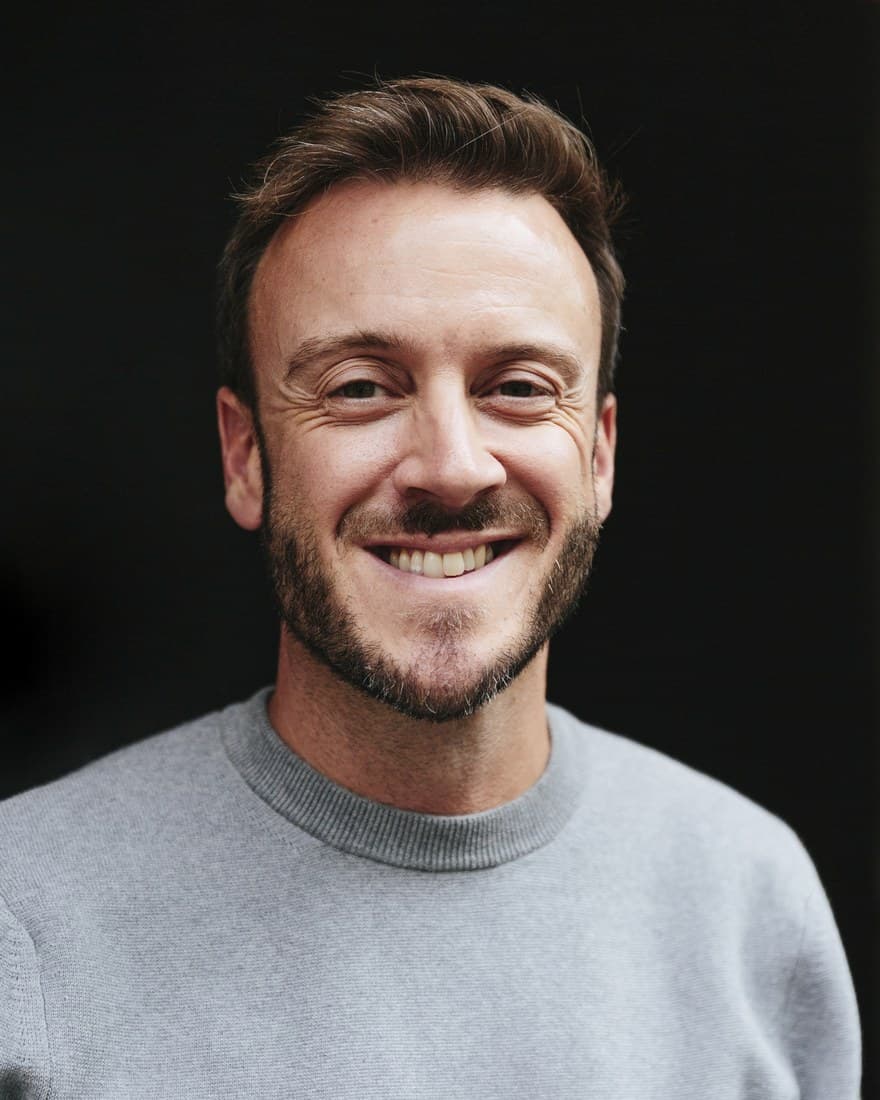
I’ve walked the early-stage journey with hundreds of founders, as Entrepreneur in Residence at the London School of Economics, an early-stage advisor, and an angel investor.
I’ve been a founder too. I built and sold Deeson, a profitable, founder-owned tech services company, then co-founded OpenDialog, which started on consulting revenue before raising venture capital. That seedstrap-then-raise path is the one this book maps.
I couldn’t find the book I wanted to recommend to these founders, so I wrote it. None of the concepts in it are new. What I’ve always done is study the methods and techniques founders actually use, keep what works, learn from what doesn’t, and combine the best of them into one process. That process is the book.
The doubts every founder starts with.
- Will customers actually pay before I've built anything?
- The point isn't to take money for something that doesn't exist. It's to prove people will pay before you build, so you find out whether the idea works while it's still cheap to be wrong. You test real commitment against a working demo, not finished software. Chapter 7 shows you how.
- Everyone I show it to says they love it. Isn't that enough?
- No. People who like you, or who are just being polite, will tell you what you want to hear. And a survey about their hypothetical future behaviour doesn't prove much either. What proves it is their behaviour: getting as close to a real buying decision as you can, before the product exists.
- Doesn't AI make all of this irrelevant?
- The opposite. AI changes what's cheap, not what's hard: building was never the real question, knowing what to build and who'll pay for it is. And cheap building is its own trap. When shipping is this easy, it's tempting to keep building instead of proving demand, and building ten products nobody buys is not progress, however fast you make them.
- Do I have to raise money? Do I have to avoid it?
- Neither. Once customers are paying, funding becomes a choice, not a precondition. Some founders take one round on their terms. Others never need outside money at all. The book helps you work out which fits you, and what each option costs you.
- I've only got an idea. Isn't it too early for me?
- That's exactly where this starts. The first move is proving the idea with paying customers before you build, so idea stage is the right time, not too early. Chapter 3 gives you ten specific people to contact about yours.
Your first ten customers by name.
A method for narrowing your ideal customer from a demographic to a situation, finding the early adopter you can actually win, and ending with ten specific people you can contact by name. Examples from Stripe, Superhuman, and one cautionary tale from OpenDialog. Sent as a PDF.
Plus what’s working, and what isn’t, for the founders I coach, advise, and back: patterns and case studies, sent when there’s something worth your time.
Adclear proved it with paying customers, then raised a £2.1m oversubscribed seed.